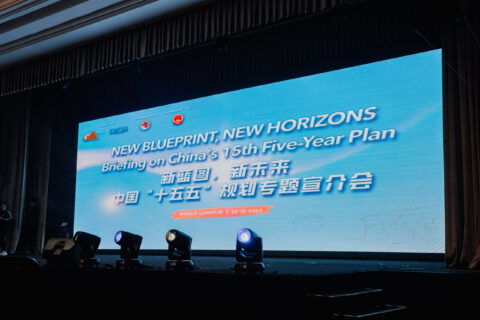
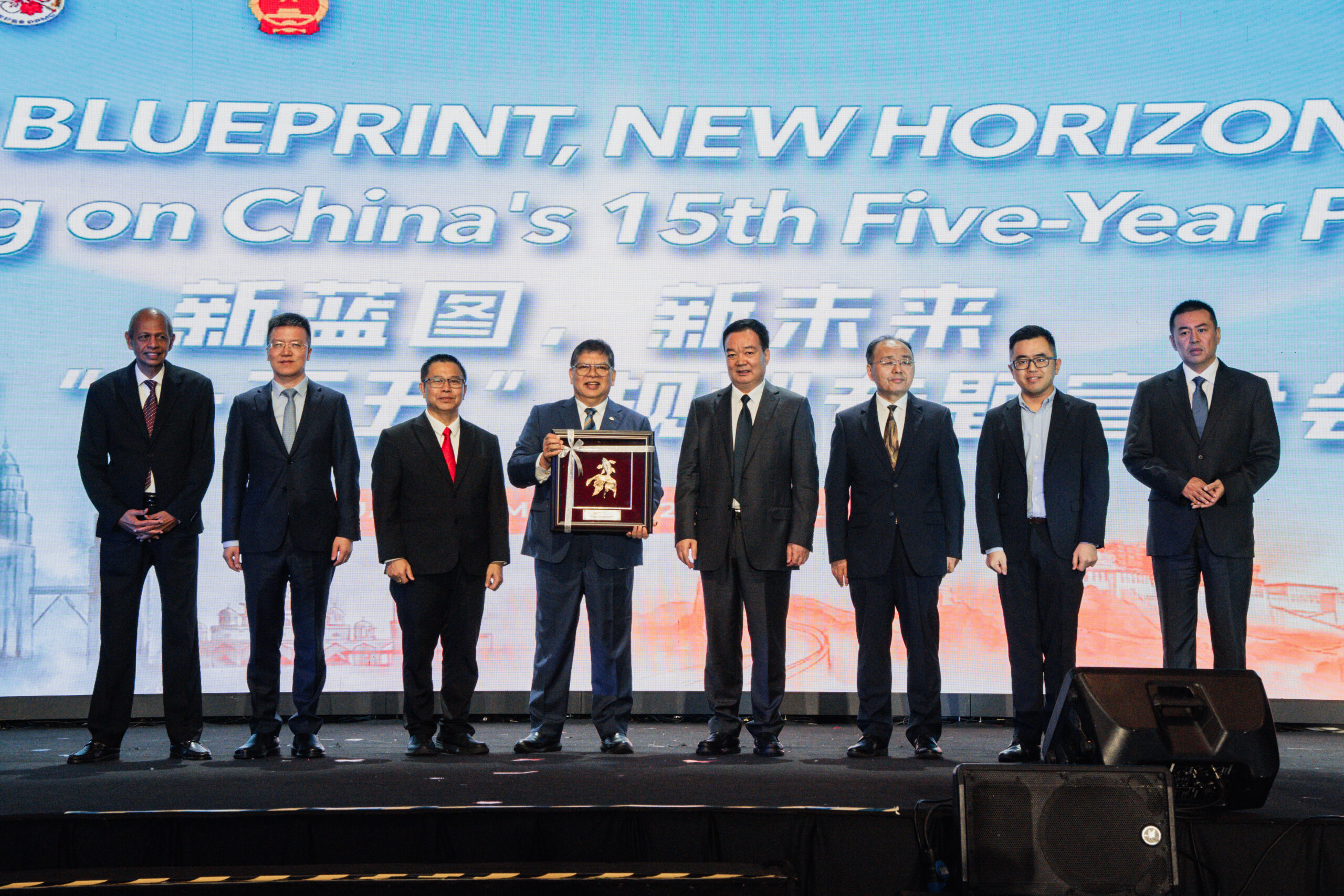
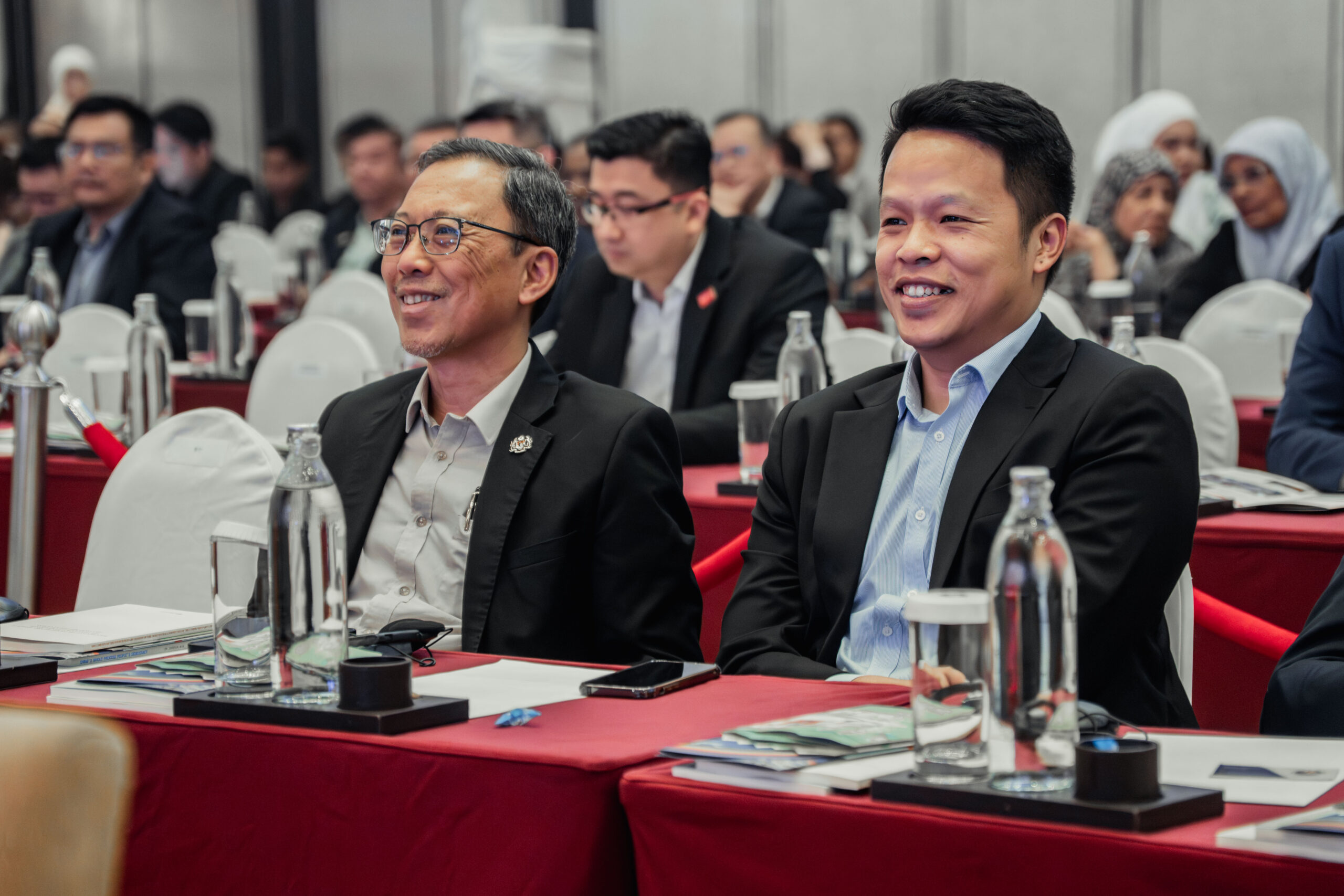
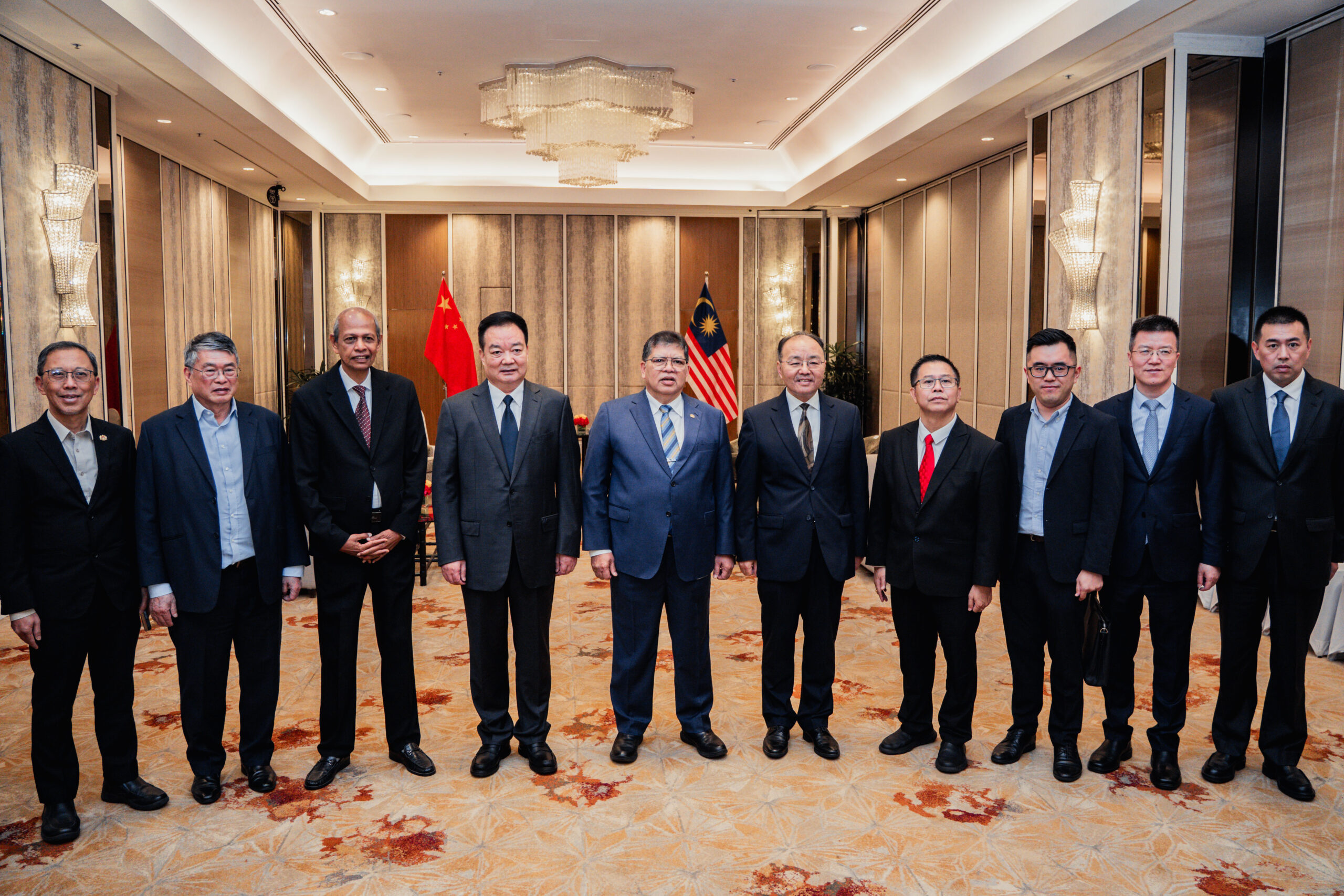
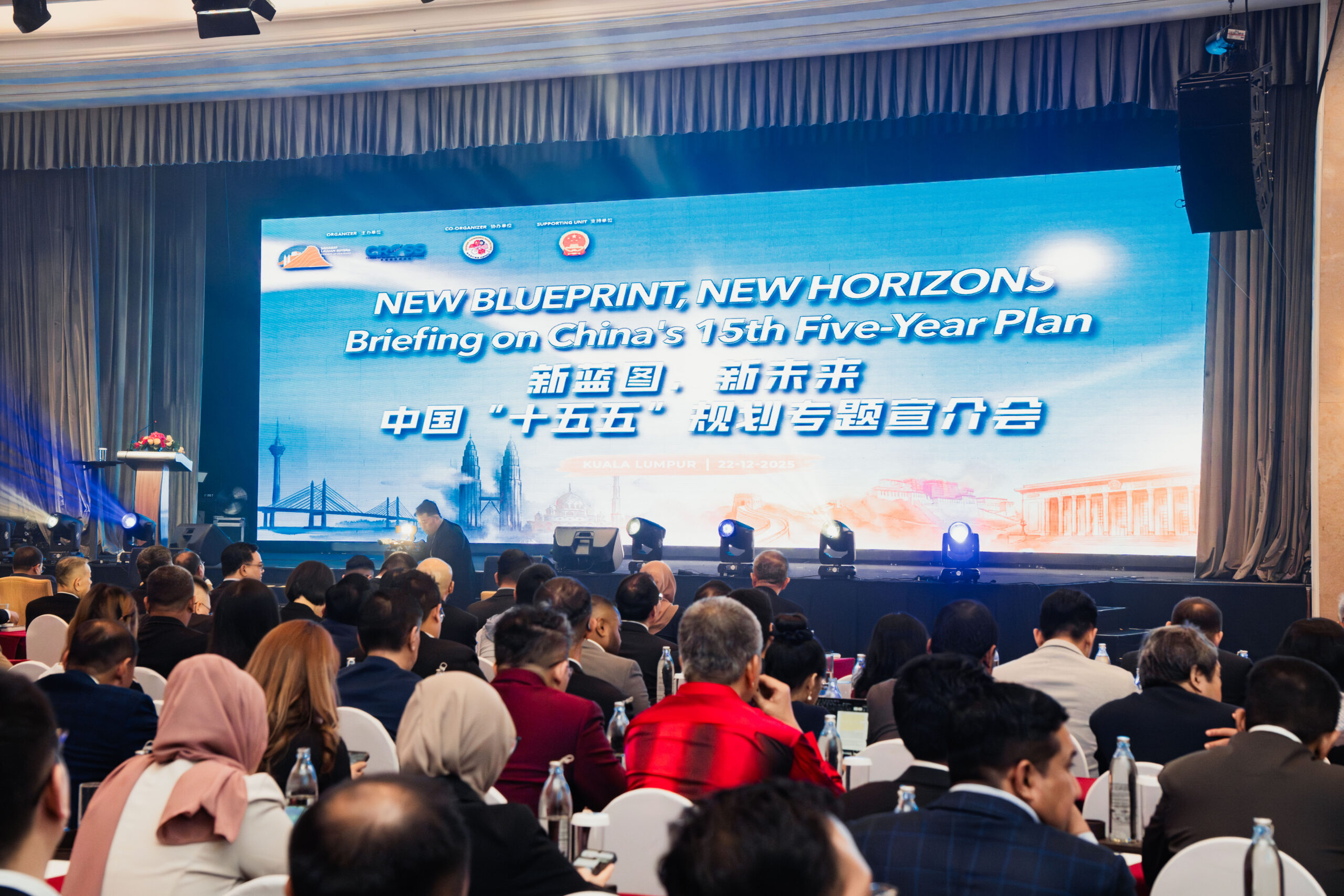
On 22 December 2025, CROSS co-organised a high-level briefing titled “New Blueprint, New Horizons: Briefing on China’s 15th Five-Year Plan”, together with Friends of Silk Road and the Malaysia-China Friendship Association at the Shangri-La Hotel, Kuala Lumpur.
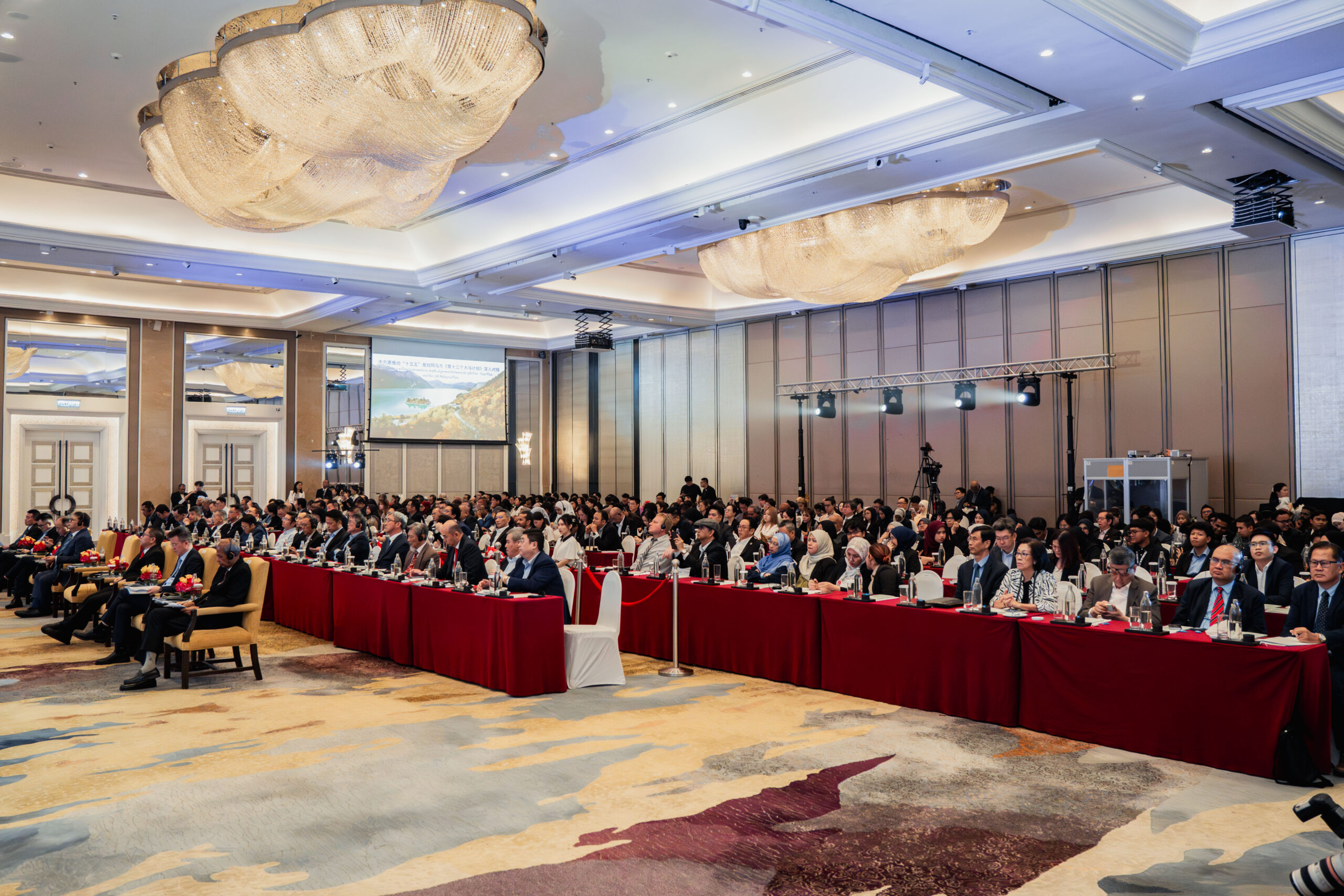

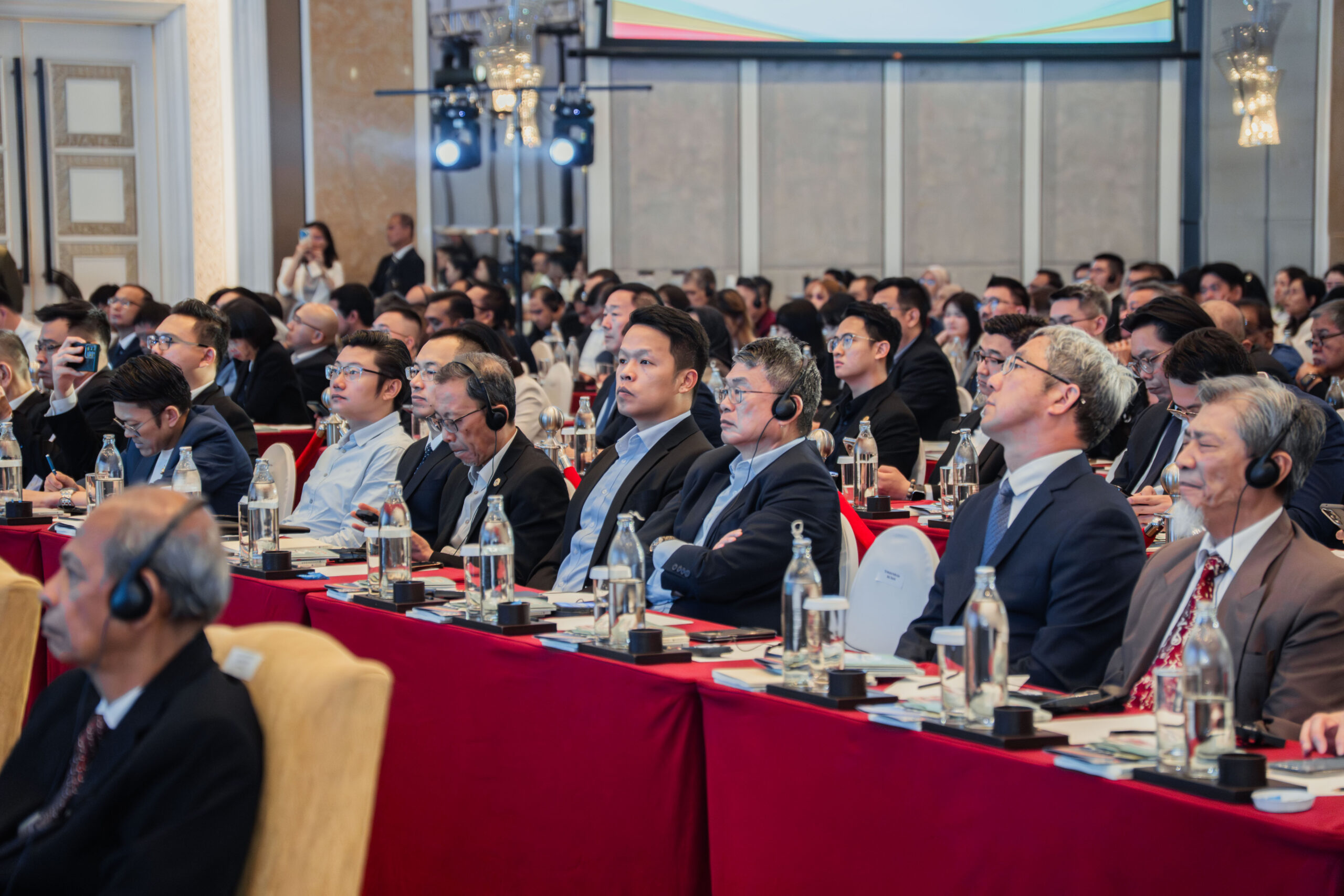
Supported by the Embassy of the People’s Republic of China in Malaysia, the briefing convened over 400 high-level officials, policymakers, strategic experts, industry representatives and students. The event served as a timely and forward-looking platform to examine the strategic direction of China’s forthcoming 15th Five-Year Plan, explore the development trajectory of Xizang, and assess the broader implications for the evolving Malaysia–China partnership.
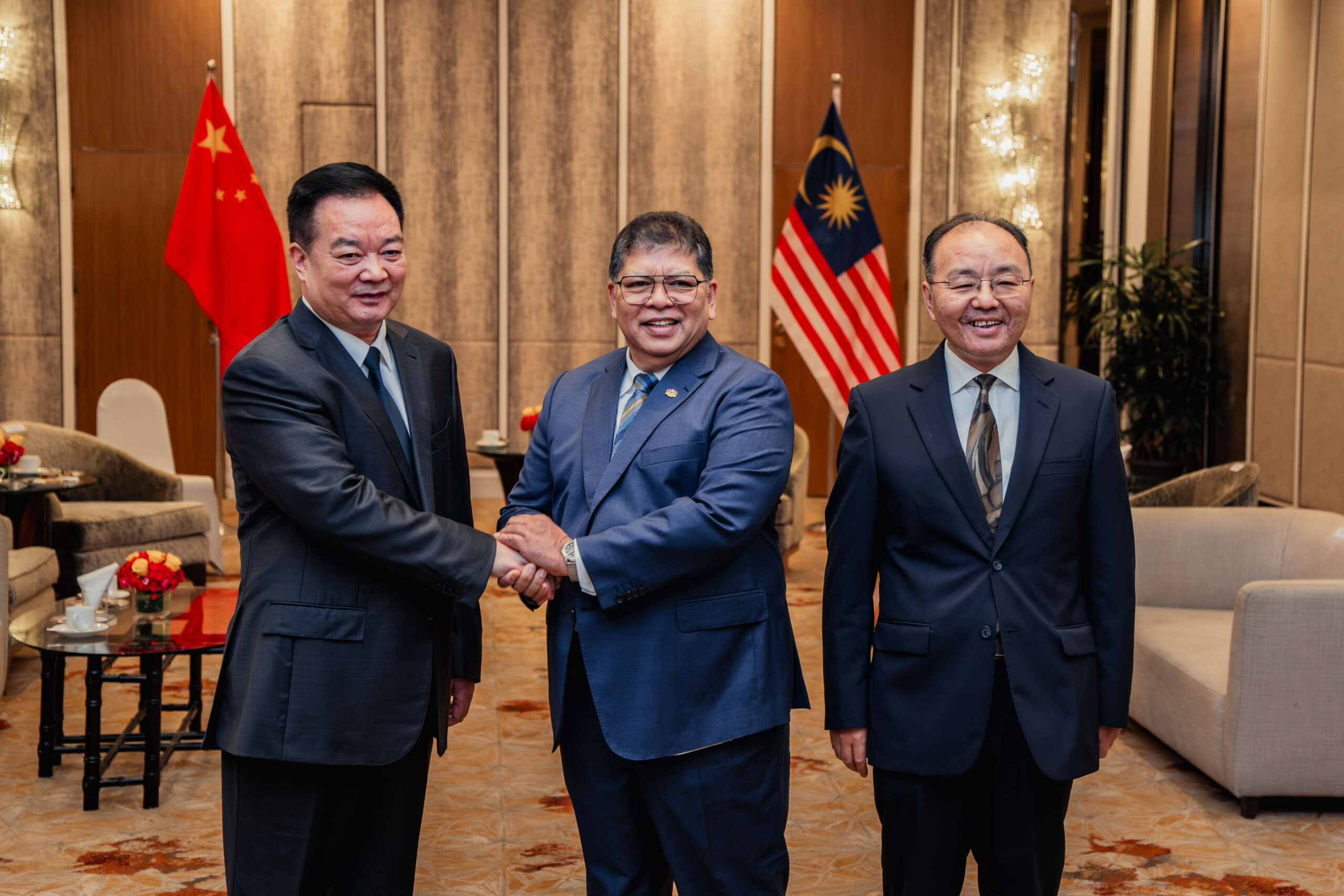

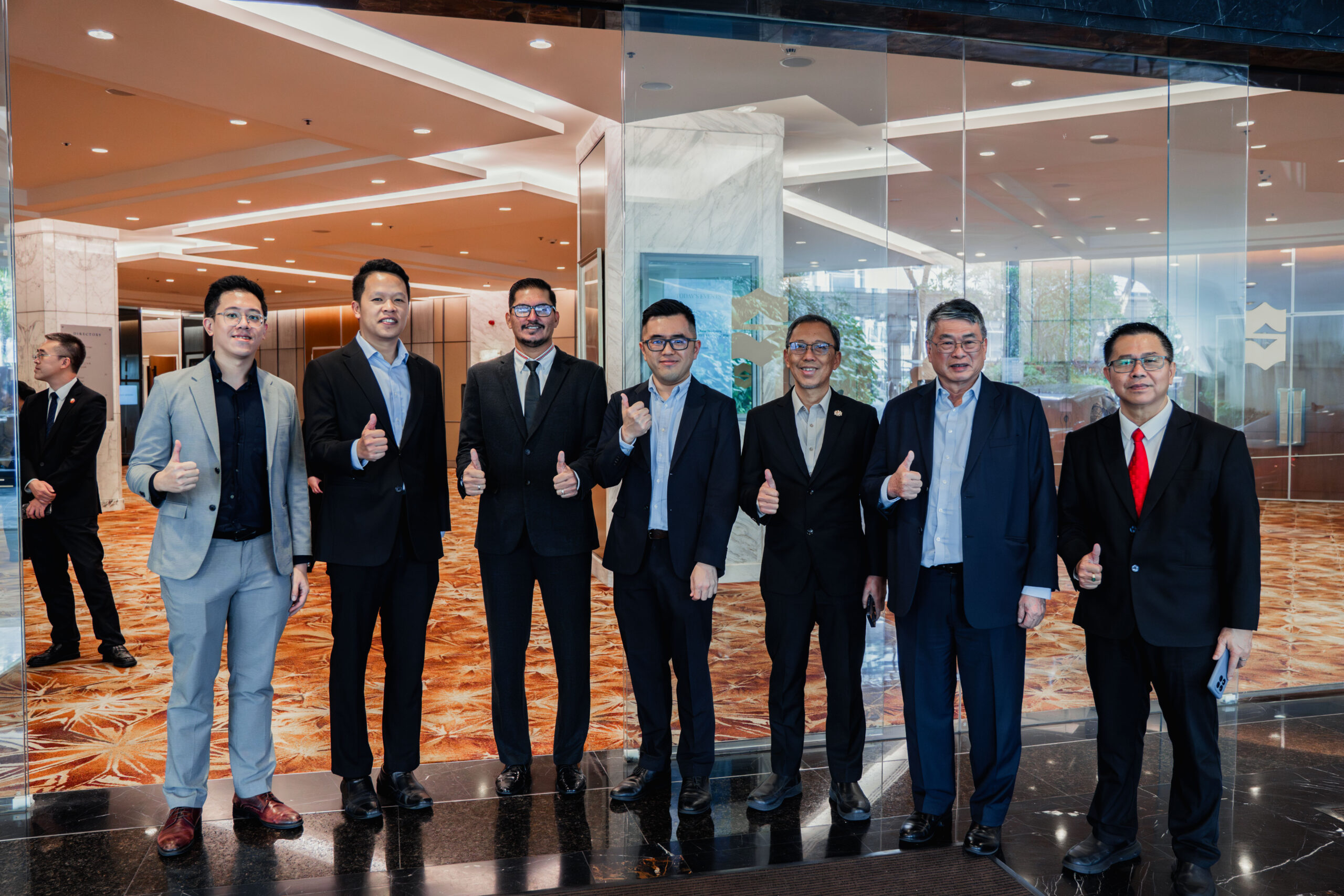
Delivering the keynote address, YB Tan Sri Dato’ Dr. Johari bin Abdul, Speaker of the House of Representatives, delivered a forward-looking address emphasising that in an era marked by geopolitical shifts, complex security dynamics, and rapid technological advancement, long-term national planning is no longer optional — it is a strategic necessity. He noted that frameworks such as China’s 15th Five-Year Plan represent more than economic blueprints; they serve as instruments to manage transformation, strengthen resilience, and ensure inclusive and sustainable growth.
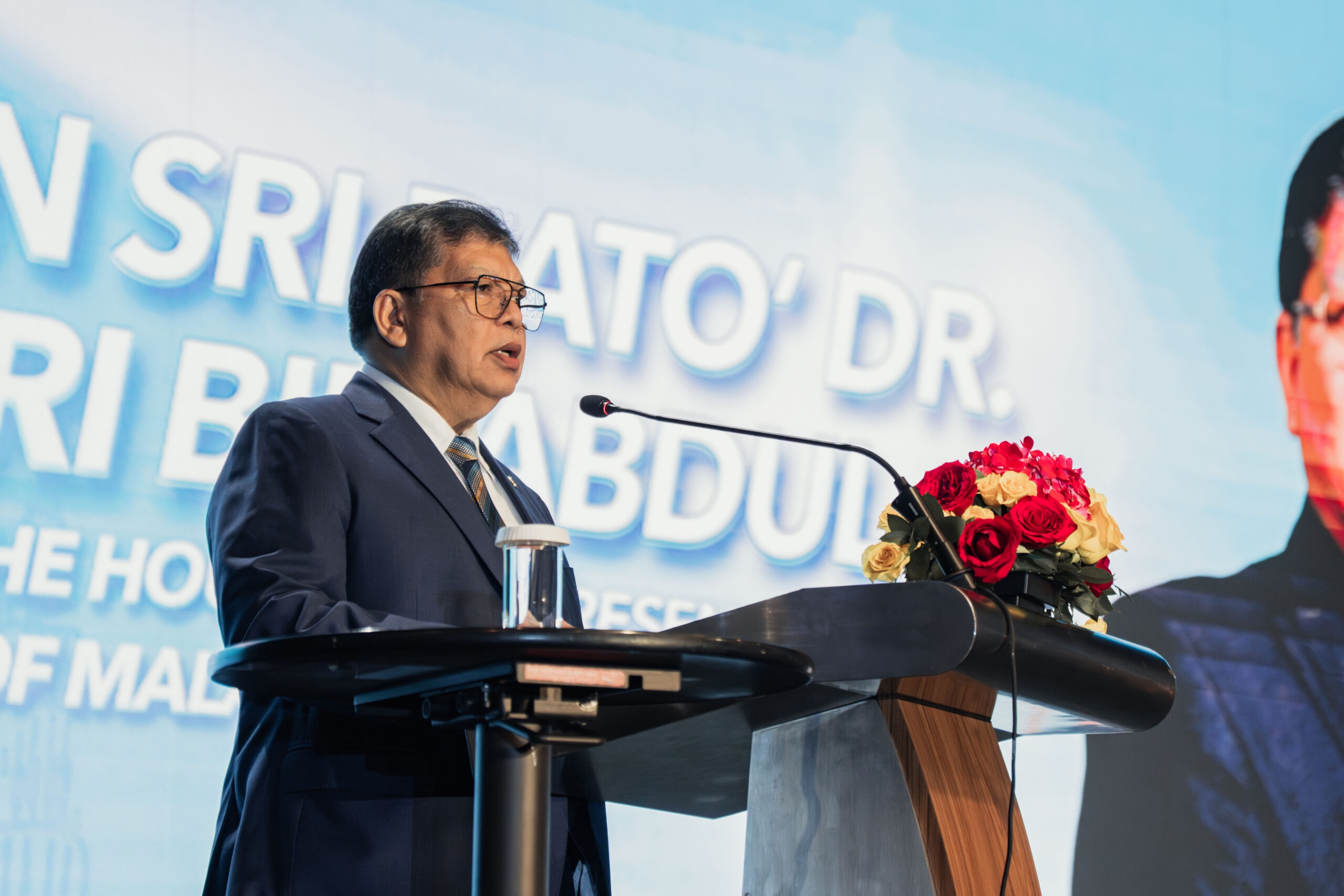
He reaffirmed Malaysia’s principled approach of constructive engagement over speculation, stressing that structured dialogue enables policymakers and stakeholders to better understand policy priorities, identify complementarities, and unlock practical avenues for cooperation — particularly in trade, investment, technology, climate resilience, renewable energy, green development, and people-to-people exchanges.
Touching on regional dynamics, he highlighted the steady progress of ASEAN–China Dialogue Relations over the past three decades and welcomed the continued advancement of the ASEAN–China Comprehensive Strategic Partnership. He underscored the importance of the ASEAN–China Plan of Action 2026–2030 and the ASEAN–China Free Trade Area 3.0 Agreement as timely frameworks to deepen economic integration, enhance regional connectivity, and strengthen shared prosperity.
Wang Junzheng, Secretary of the CPC Xizang Autonomous Regional Committee, highlighted Xizang’s transformation as it marks its 60th anniversary. In his keynote address, he noted that the region’s GDP in 2024 is 155 times that of 1965, with per capita urban income rising more than 120 times, supported by over 120,000 km of roads and expanding air connectivity.
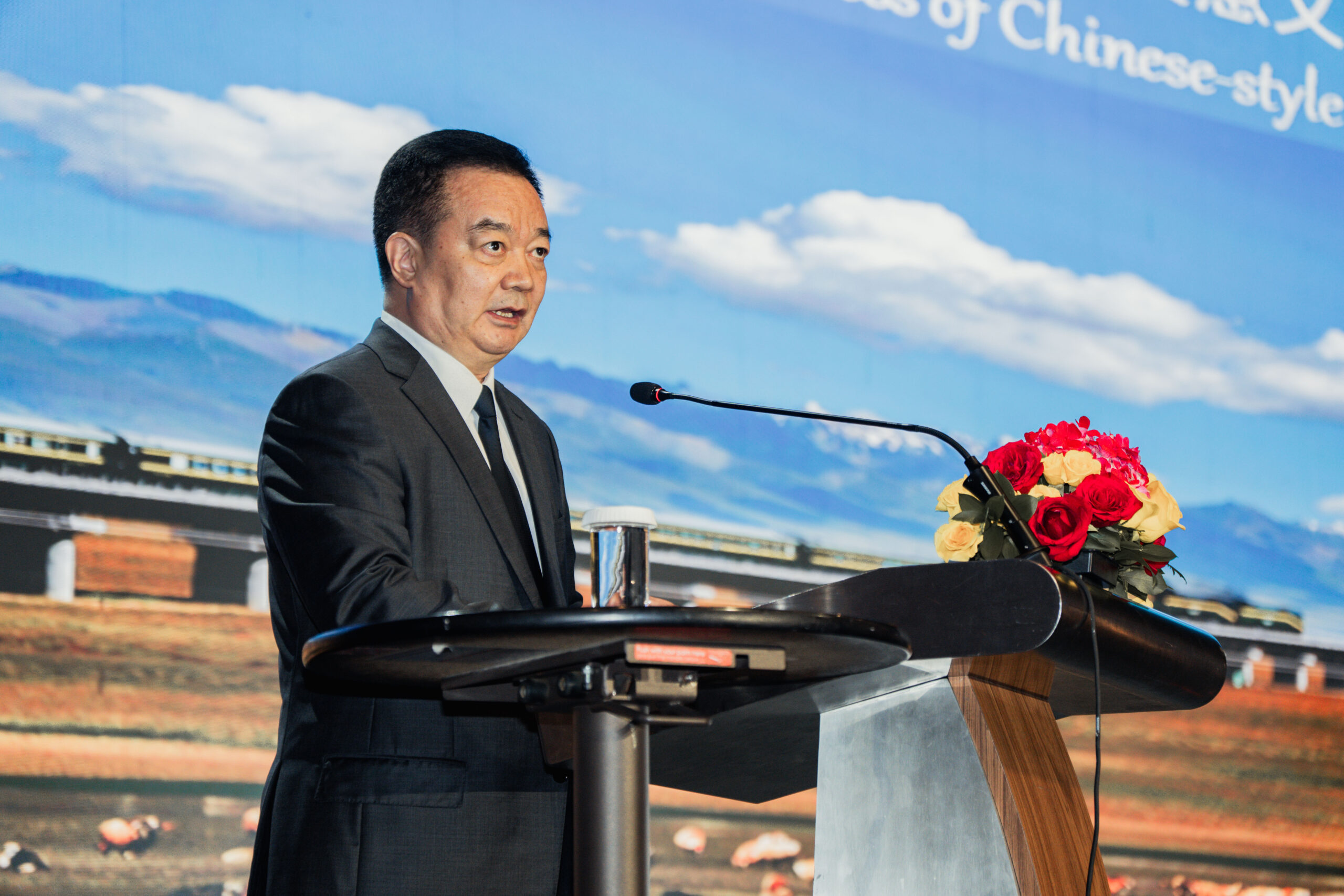
Describing Xizang’s progress, he remarked, “We are moving from a geographical highland to a development, ecological and opening-up highland,” underscoring the region’s focus on sustainable growth and greater connectivity under China’s 15th Five-Year Plan.
Wang added that Xizang is entering a rare strategic development window and warmly invited Malaysians to visit. “Xizang is a place you will want to return to after your first trip. We welcome Malaysian friends to experience its beauty, culture and development.”
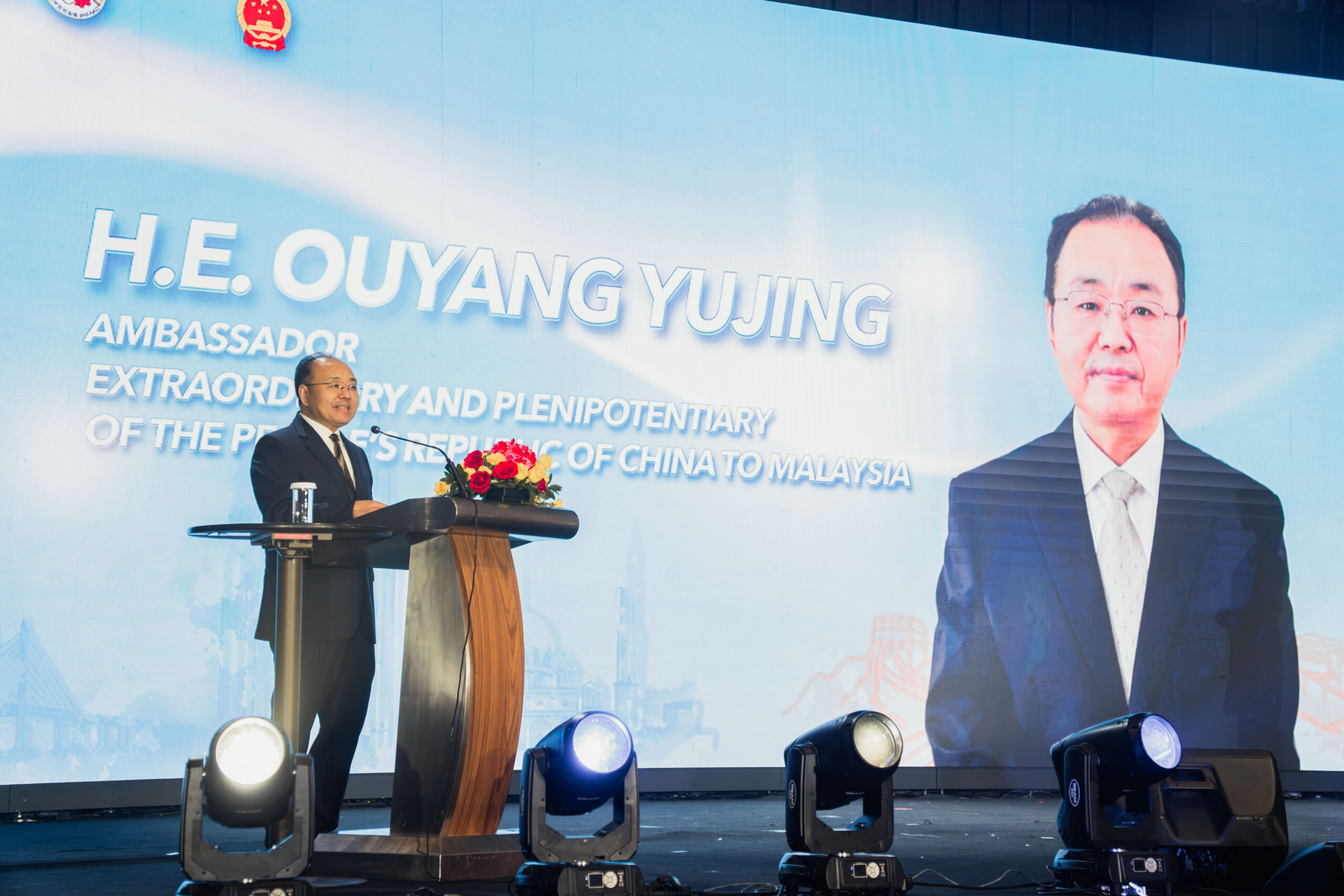
H.E. Ouyang Yujing, Ambassador of the People’s Republic of China to Malaysia, shared insights from the Fourth Plenary Session of the 20th CPC Central Committee, which adopted recommendations for China’s 15th Five-Year Plan. He noted that China’s economic scale is projected to reach RMB 140 trillion, while continuing to contribute approximately 30% of global economic growth annually.
He described 2025 as an extraordinary year for China–Malaysia relations, marked by President Xi Jinping’s state visit and the elevation of bilateral ties to a high-level strategic community with a shared future. With Premier Li Qiang’s visits, Prime Minister Anwar Ibrahim’s engagements in China, record trade momentum, cumulative investment exceeding USD 20.8 billion, the ECRL reaching 90% completion, and over 4 million Chinese arrivals under the visa-free policy, he underscored the tangible benefits of win-win cooperation for both peoples.
Looking ahead, he called for deeper strategic mutual trust and stronger alignment between Malaysia’s 13th Plan and China’s 15th Five-Year Plan, alongside advancing high-quality Belt and Road cooperation in areas such as AI, new energy vehicles, digital development, 5G, and green technology.
He further encouraged expanding exchanges with Xizang and strengthening multilateral coordination through RCEP and the China–ASEAN FTA 3.0 Upgrade Protocol, while jointly upholding free trade, opposing protectionism, and reinforcing the enduring friendship between China and Malaysia.
A key highlight of the briefing was its special focus on the Xizang Autonomous Region. The session provided in-depth insights into Xizang’s development trajectory under China’s 15th Five-Year Plan, covering socio-economic transformation, infrastructure expansion, ecological conservation, and long-term sustainability efforts — reflecting the region’s evolving role in China’s broader national blueprint.
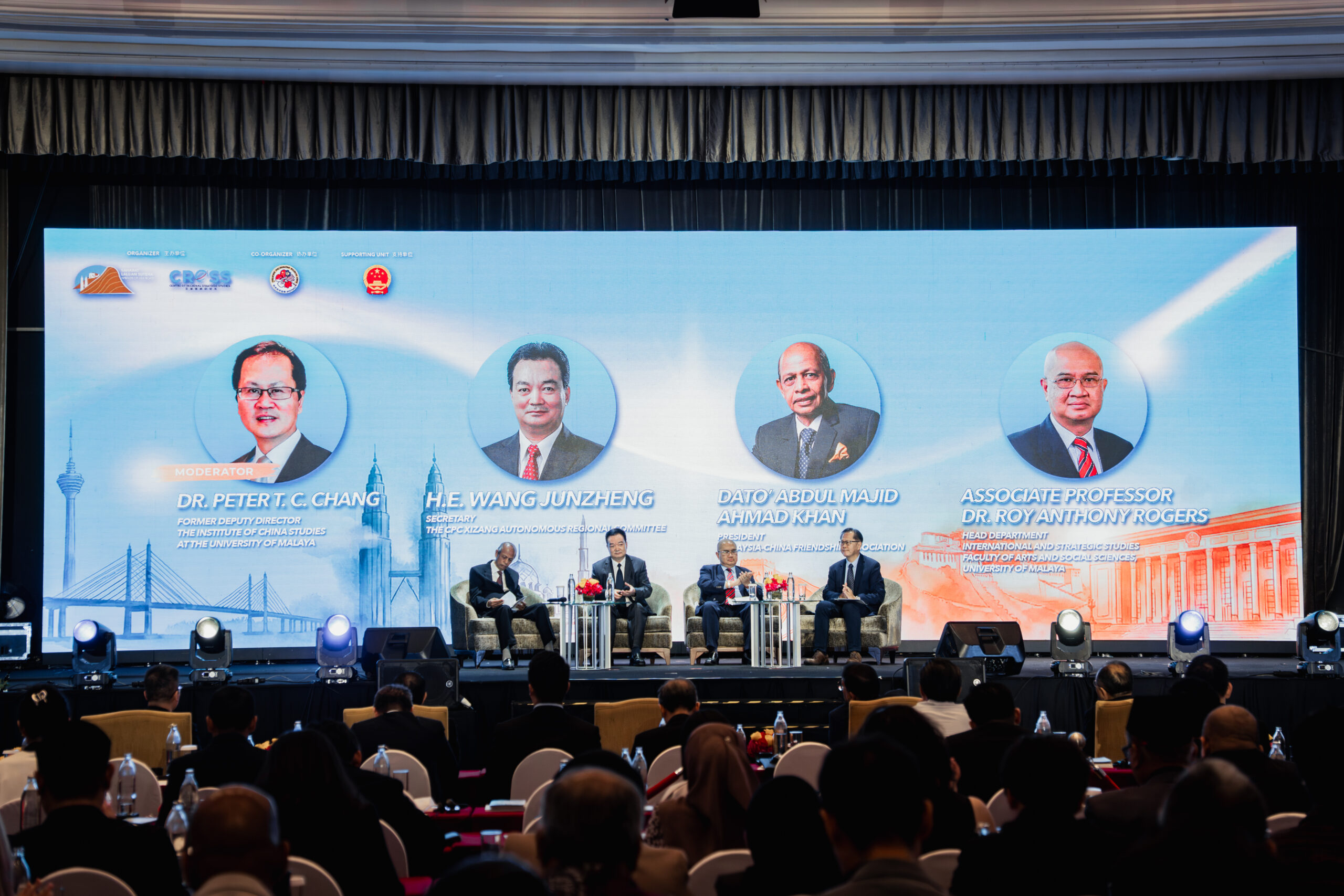
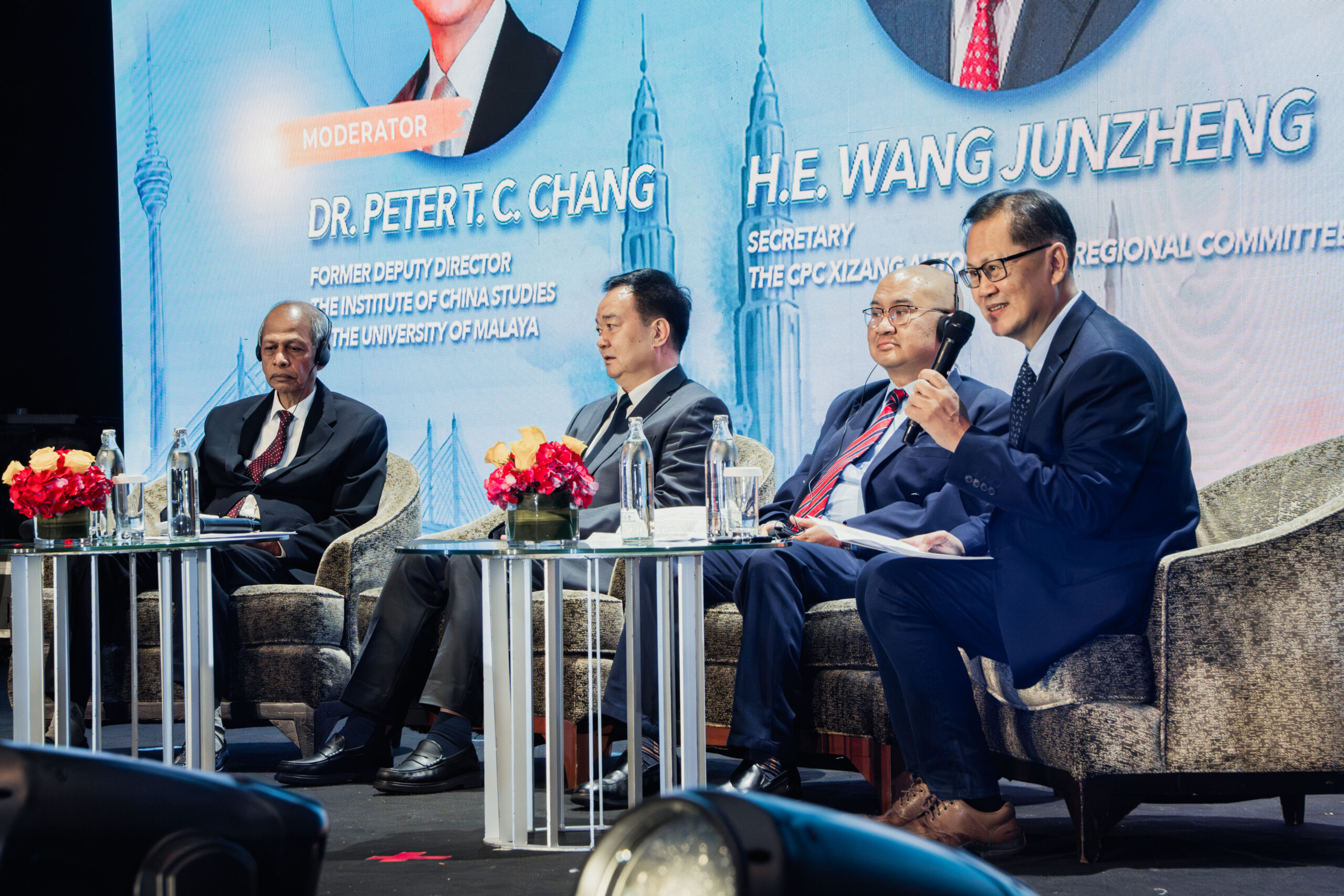
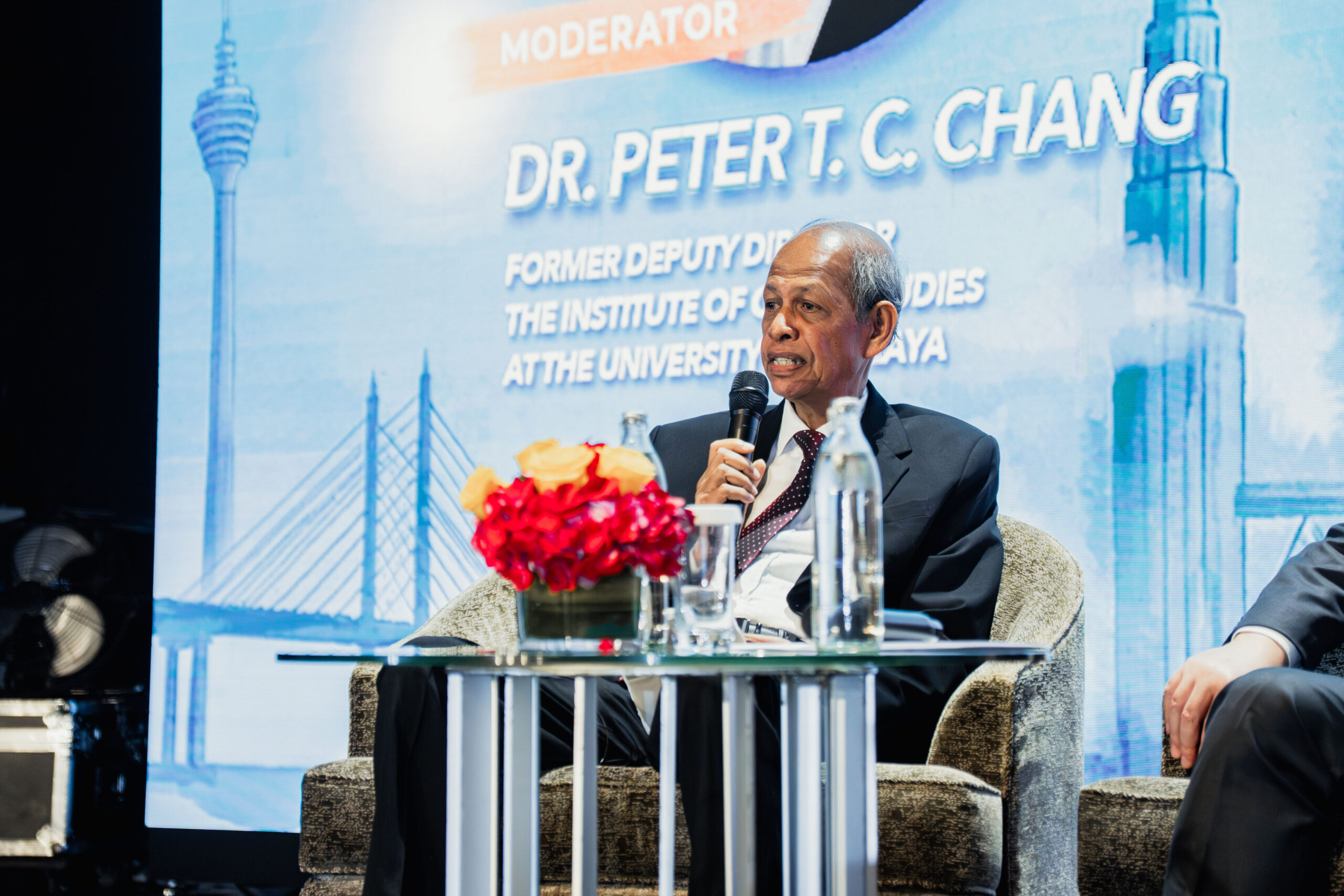
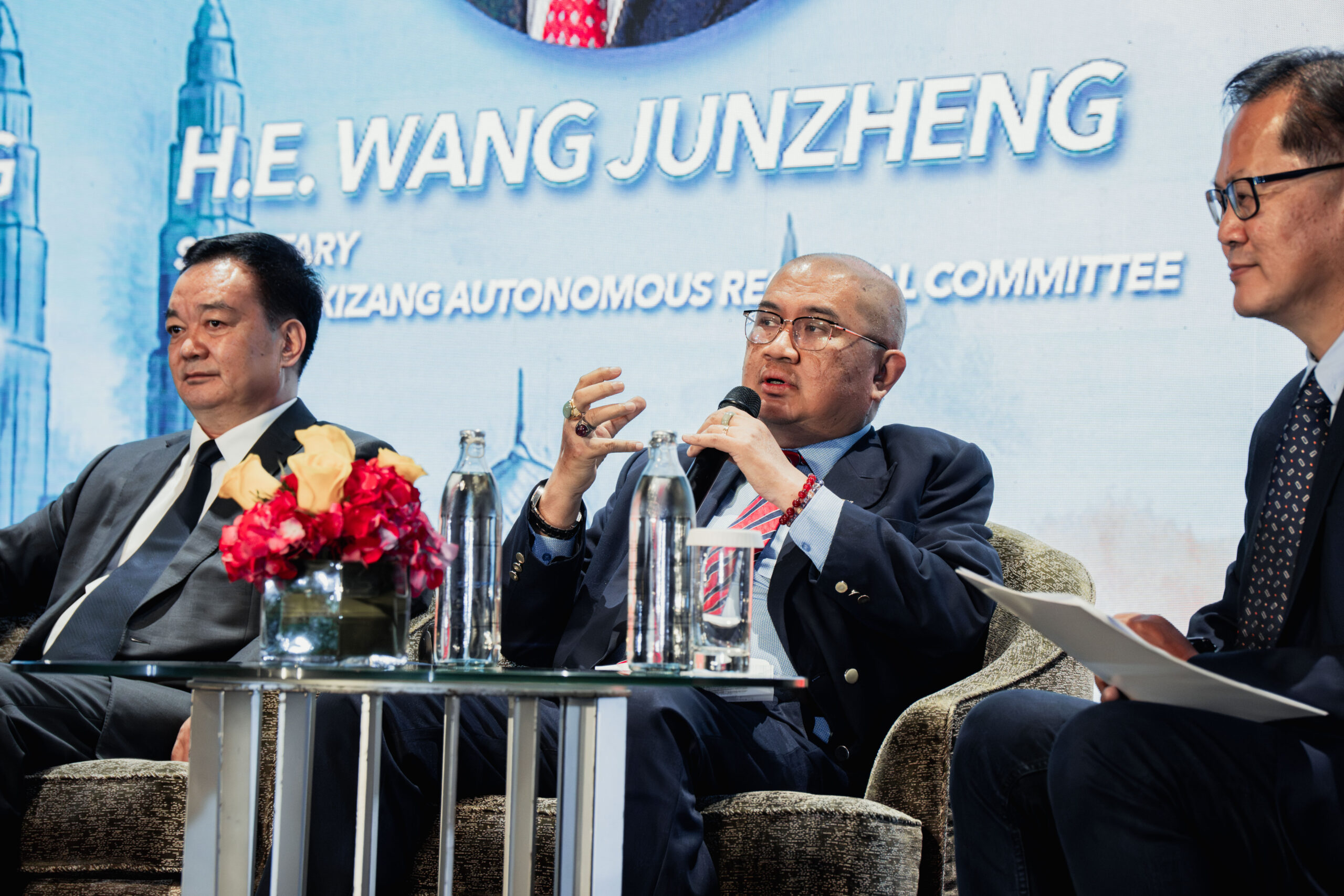
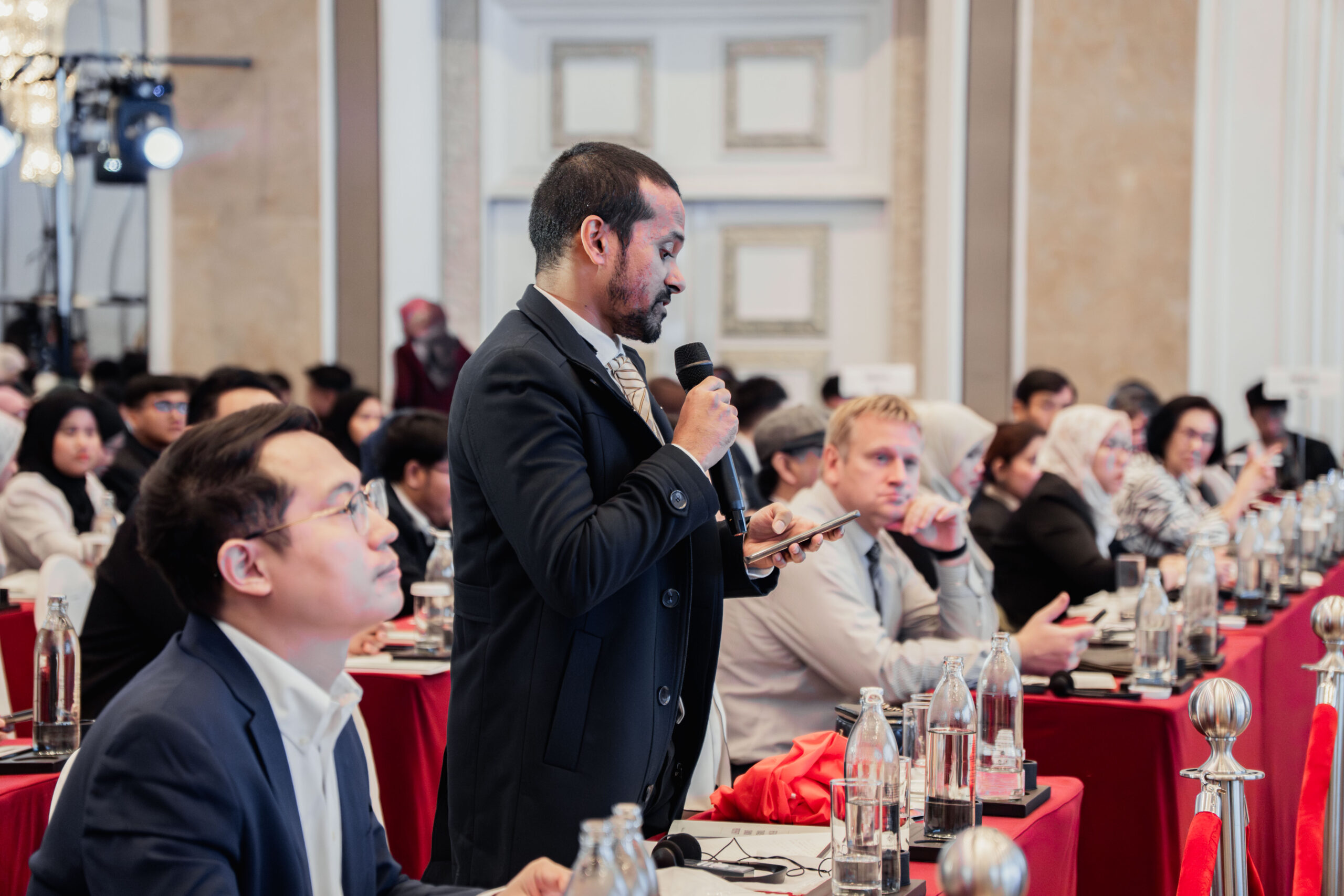
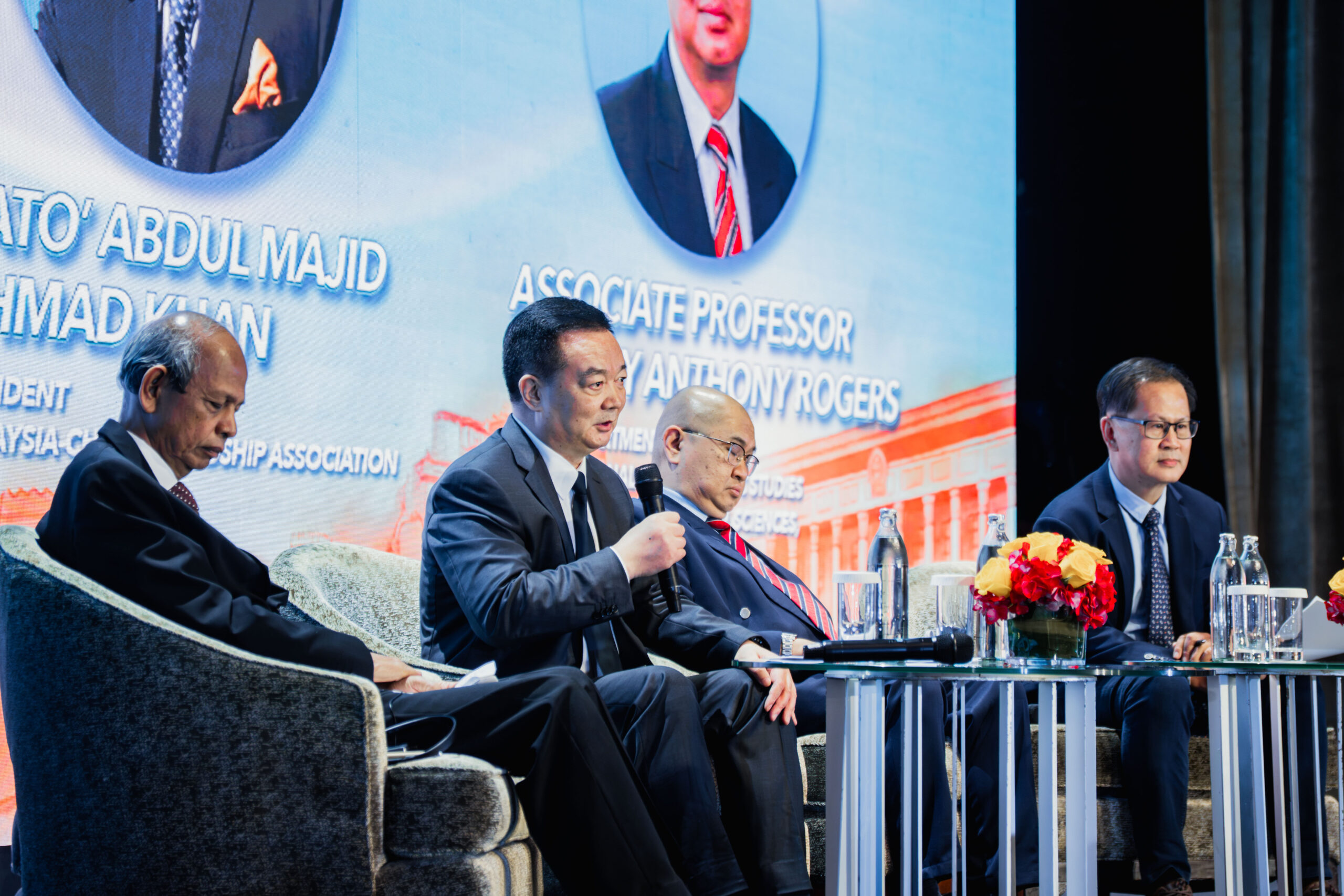
The briefing also featured a dynamic Q&A session with Wang Junzheng, Dato’ Abdul Majid Khan, President of the Malaysia–China Friendship Association, and Professor Dr. Roy Anthony Rogers, Head of the Department of International and Strategic Studies, University of Malaya. The session was moderated by Dr. Peter T.C. Chang, former Deputy Director of the Institute of China Studies, University of Malaya, fostering constructive dialogue and diverse perspectives on regional development and bilateral cooperation.
Alongside policy discussions, a Xizang-themed Picture Exhibition showcased the region’s breathtaking natural landscapes, clean energy initiatives, modern infrastructure, and sustainable tourism efforts. Images of iconic landmarks, including the Potala Palace in Lhasa, highlighted the region’s unique blend of historical legacy and contemporary development.
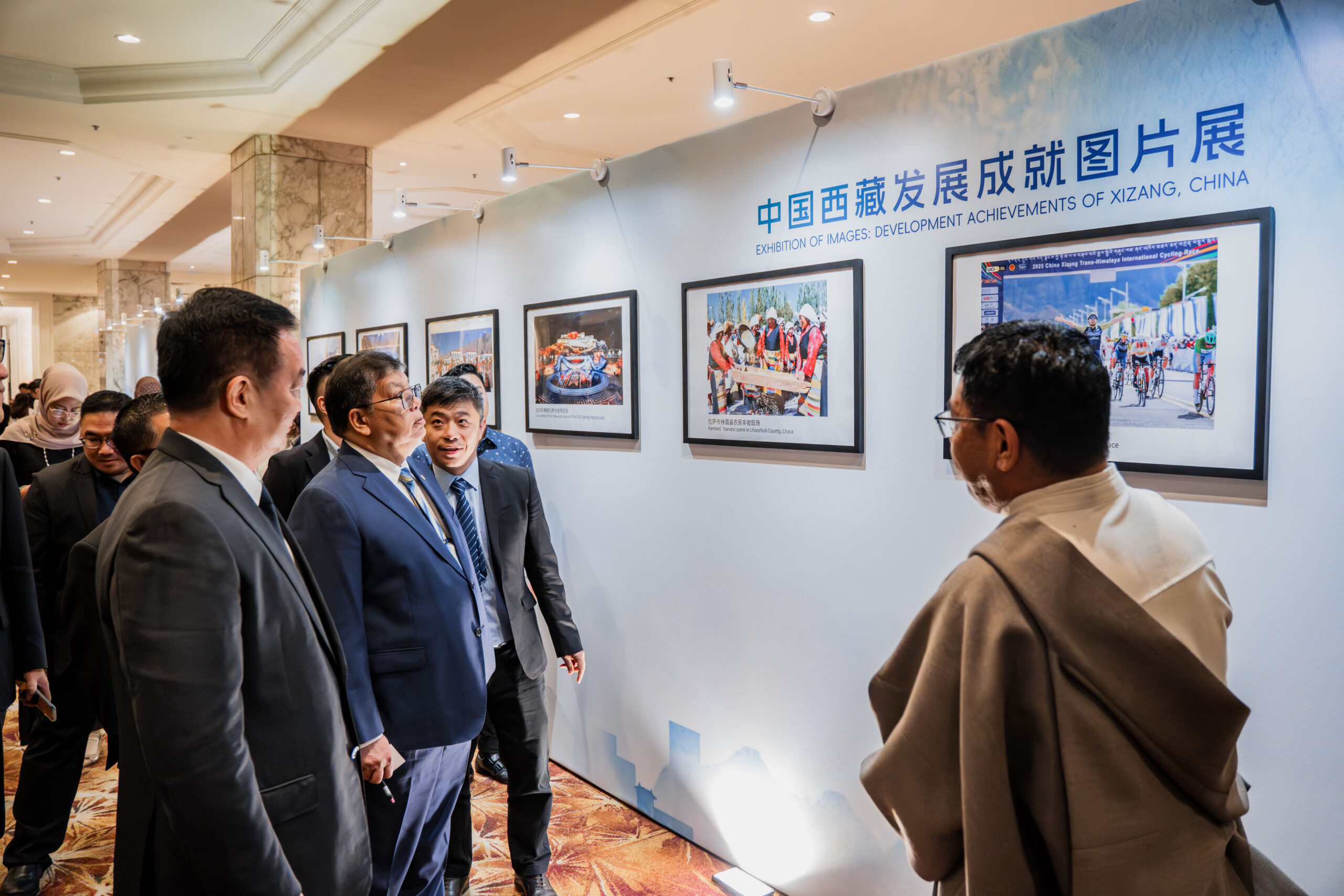
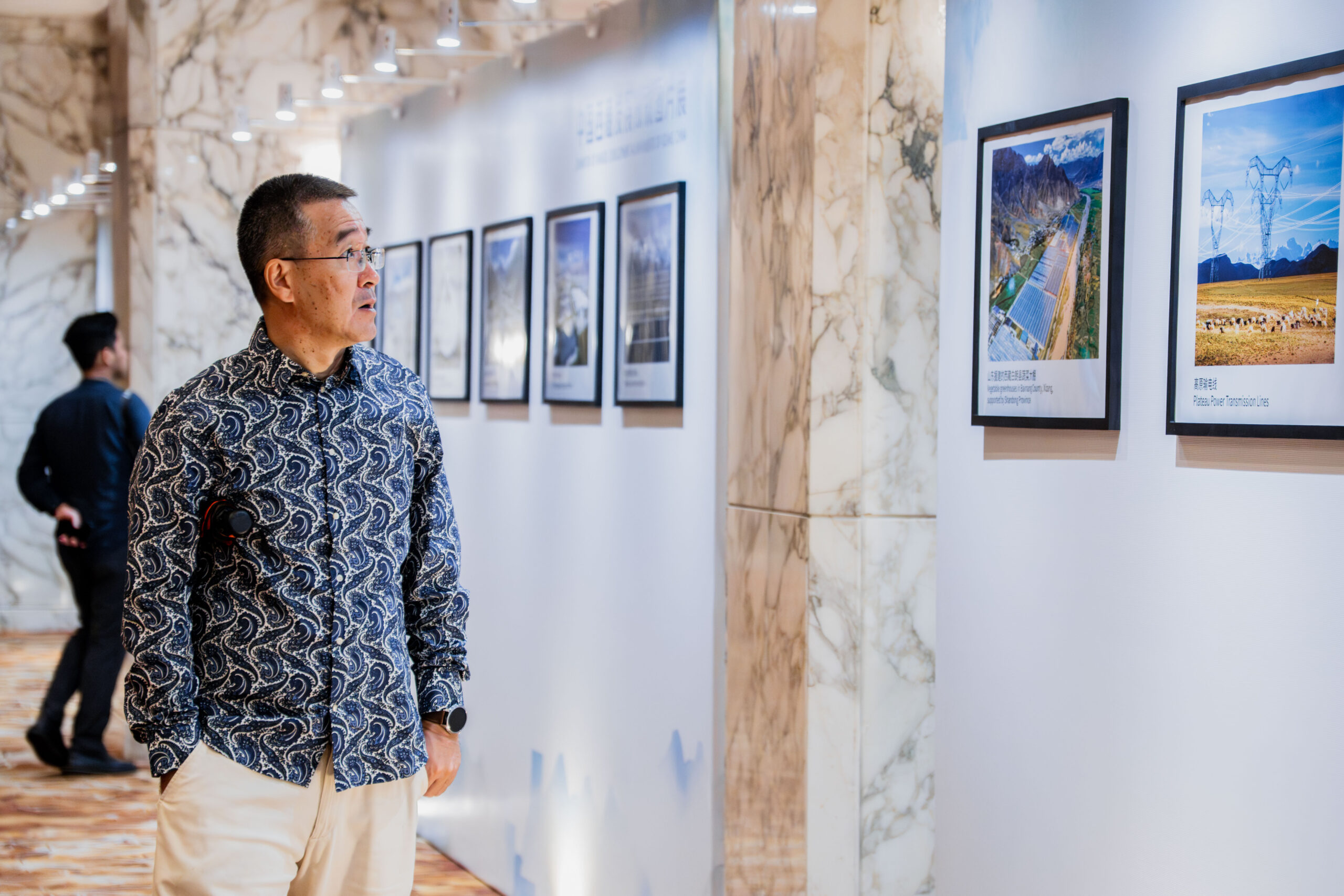
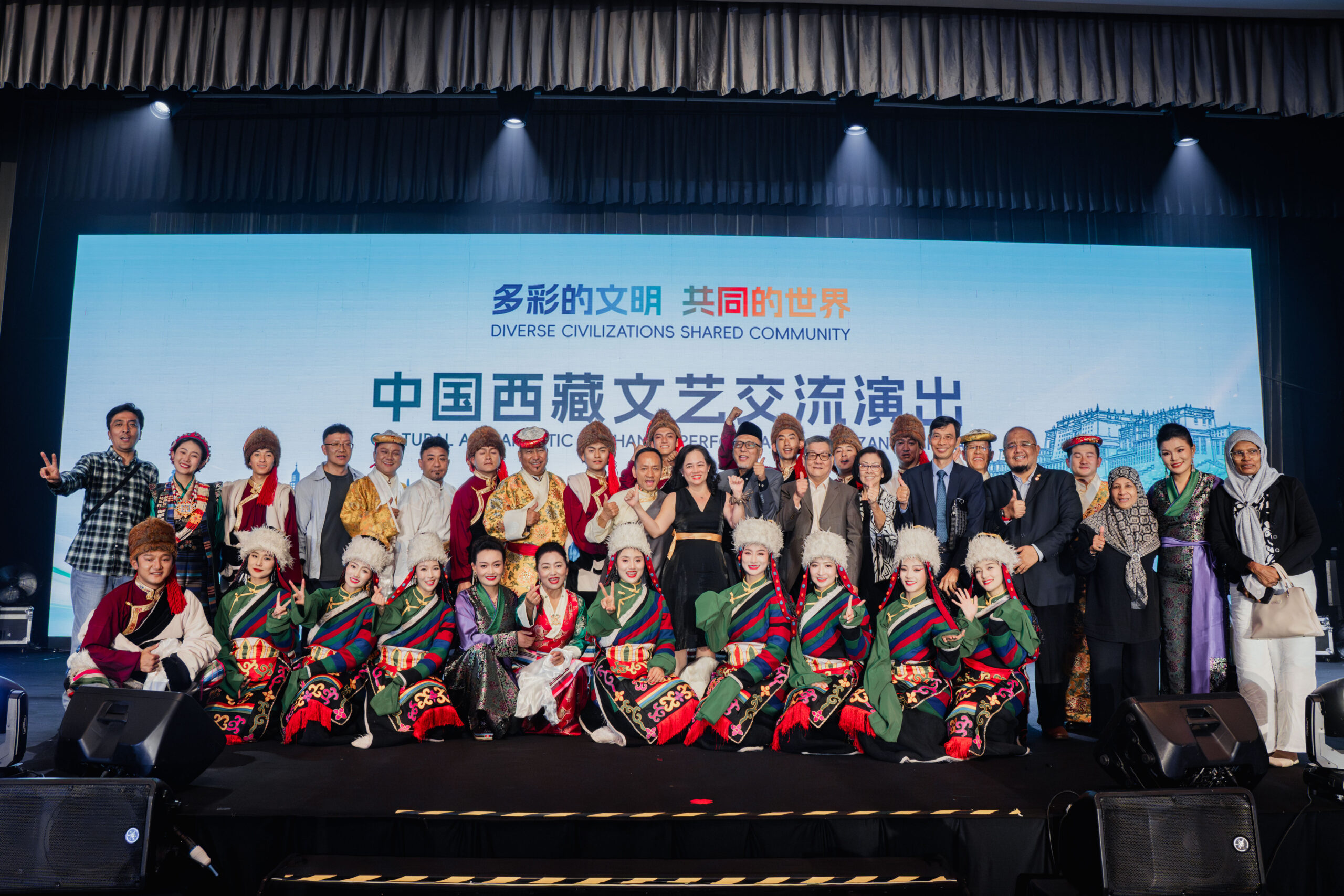
The exhibition was further enriched by an Intangible Cultural Heritage Performance, featuring “Gzhas Chen”, a nationally recognised traditional Tibetan song and dance, as well as performances using the eagle-bone flute and Tibetan vertical flute. These performances offered participants a vivid cultural experience from the Tibetan plateau, underscoring the importance of cultural preservation alongside development.